AI Agent Products Reduce Customer Churn (USA)
Learn how AI agents reduce customer churn for small and medium businesses by improving retention and automating tasks.

TLDR
Customer churn is one of the most serious threats facing SMBs in the U.S. It often happens without warning, leaving business owners unsure why. AI agents can solve the problems that cause silent churn. When used with human oversight, AI agents reduce churn by improving customer satisfaction. They allow SMBs to grow without large upfront costs.
What is Churn?
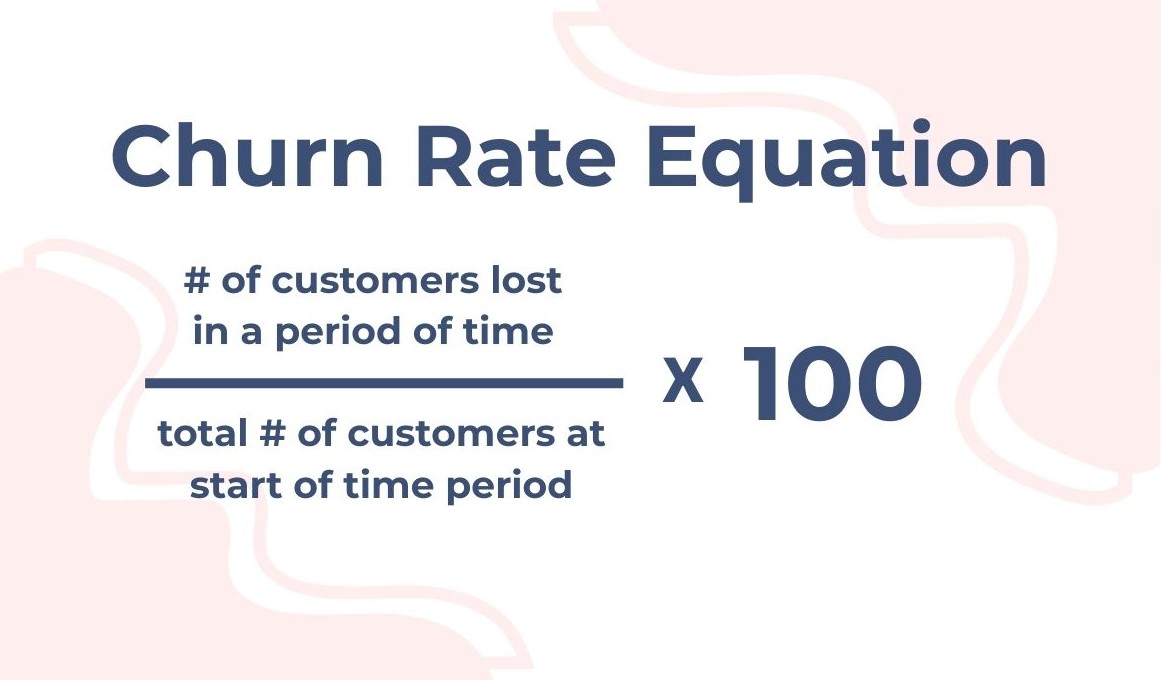
If your customer base is silently disappearing, it may not be because of your products or even your pricing. Customers may be unsatisfied with their relationship with your business. Customer service, marketing, and billing often lack personalization in a world filled with impersonal corporations. The customer departures are often referred to as “churn”: the percentage of customers that left your business over a given period of time.
Churn reflects customer satisfaction and loyalty. If a customer is satisfied with your business, they are far less likely to leave. Stronger customer relationships increase loyalty. Churn falls into two categories: voluntary and involuntary.
Voluntary churn is a customer’s decision. Customers leave voluntarily due to pricing, changing needs, or poor treatment. Involuntary churn refers to issues that are beyond a customer’s control, such as technical issues or payment processing issues. While losing customers is to be expected when running a business, high levels of churn can have serious implications for a company’s bottom line.
Check out this free churn calculator.
Free Tool
How Does Your Reputation Stack Up?
Get a free AI-powered analysis of your Google reviews in 30 seconds.
Run Your Free AuditWhat is an AI Agent?
We all know the pain of going to a brand’s website to reach out to their customer service only to be met by a chatbot: a simple machine without depth. Chatbots have been the standard for automated customer support for large corporations. But when have you messaged one and not ended in “Speak to a representative,”?
Siri is the most well-known example of a chatbot. It is a machine that can perform basic tasks like answer what the weather will be like tomorrow; however, on more complicated questions, Siri will defer you to a search engine. A chatbot relies on pre-programmed scripts.
These tools cannot understand context or learn. They lack the ability to have an open-ended conversation. However, they are great for giving consistent responses and maintaining brand identity when used in customer service.
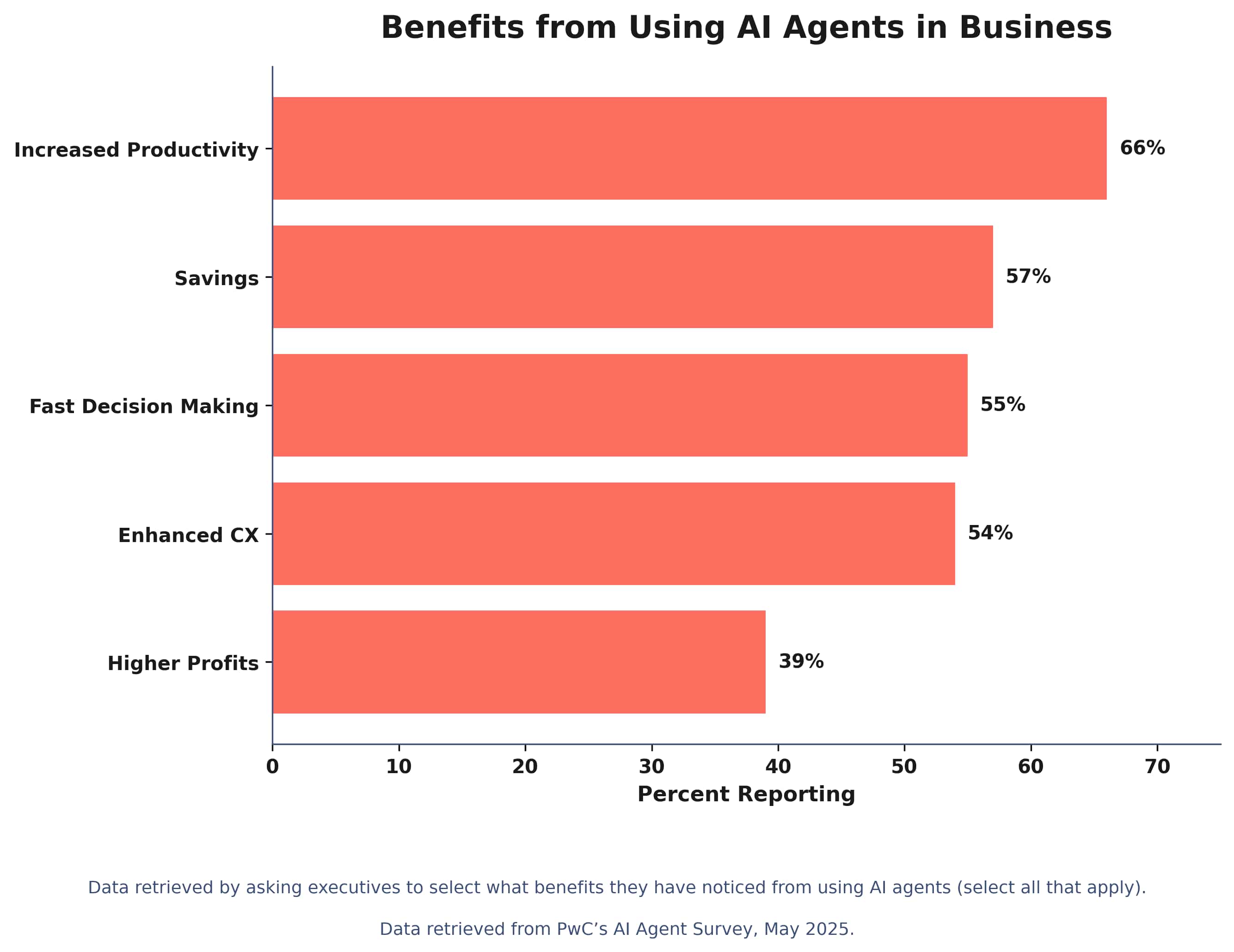
But with the rise of Artificial Intelligence, brands are beginning to switch over to AI agents, not just for customer service, but for a multitude of tasks. According to a PwC study, 79% of companies are beginning to implement AI agents. An AI agent is software that performs tasks with minimal human oversight. They are adept at understanding context, intent, and learning as they go. They can also hold natural-sounding conversations, unlike chatbots.
Whereas chatbots would have to defer a person to a search engine for complex questions, an AI agent can answer that complex question itself. Additionally, AI agents can understand language better than chatbots. This leads to more natural-sounding conversations.
You can find examples of what tasks AI agents can do for you with this comprehensive, free list.
Churn’s Cost for SMBs
Customer acquisition is a major expense. For small and medium-sized businesses, money spent on acquiring new clientele is even more precious. Advertising is a significant investment. If a $2,000 campaign acquires 15 customers, that means you essentially paid $133 per customer. How many purchases will these customers need to make for you to break even?
According to the International Business Machines Corporation, replacing one lost customer requires three new customers. Therefore, reducing churn is crucial to stabilizing growth. Churn compounds.
Due to inflation, it's more expensive to replace lost customers than maintain the ones you have. Customers acquired today become more valuable over time. That is why reducing the churn rate is imperative for all SMBs operating on a tight budget.
SMBs are hit harder by churn than large corporations. According to Coveo’s Customer Service Relevance Report (2023), 56% of unhappy customers never complain, or are unlikely to complain, before they leave. This removes early warning signals.
The problem is not just losing customers. Businesses do not know why they leave. Due to lack of time and resources, SMBs have difficulty collecting data that will help them prevent churn. Forbe’s notes cost as the leading reason preventing businesses from conducting market research.
Most SMBs rely on Google Reviews, Yelp and similar platforms for feedback. While some may give helpful criticism, negative criticism draws far more attention. Consumers are 514% more likely to pay attention to negative reviews and disregard positive reviews. Low-quality reviews provide little actionable feedback, and they can further harm the businesses’ reputation.
Losing one customer can create an avalanche. One angry customer writes a negative review which prevents many more from giving the business a fair chance. A system that is designed to help businesses and consumers is having unintended consequences.
Personalization
Customers now expect businesses they support to have some degree of personalization. According to a survey conducted by Epsilon Marketing, when shopping, 80% of adults in the United States want personalization in their entire customer experience. They want offers not for customers with similar shopping habits, but truly individual recommendations. When businesses can achieve this, it results in up to 20% higher satisfaction rates. Personalization is not a luxury, but rather a retention strategy.
Mark Abraham, author of Personalized, on the "less is more" personalization approach
How AI Agents Can Reduce Churn
Reducing churn starts with identifying and addressing problems early, and AI agents are designed to do just that. AI agents are already used across multiple industries and have successfully reduced churn for companies. While human oversight is still needed, AI agents are simply better at analyzing data in multiple ways.
IBM places an emphasis on AI agents providing the Next Best Experience. This model is focused on customer service, but takes a holistic approach to all the instances in which companies interact with their customers. When utilizing Next Best Experience, companies can better tailor interactions to each customer. Doing so builds stronger loyalty and increases customer lifetime value.
Think of all the ways a brand might interact with you. A streaming service may send you emails related to billing, marketing, or a customer support email when you have an ongoing complaint. In the past, while these are all emails, they are managed by separate departments that are not aware of the emails sent by other departments. The onslaught of emails can seem spammy to consumers.
The Next Best Experience approach uses AI agents to connect departments. For example, if a customer has an open complaint with a company, all marketing emails will cease for the time being. This personalized approach reduces customer anger and frustration. A customer who is not actively frustrated with a company is far more likely to remain a customer.
AI agents can analyze large volumes of data. Businesses can create data pools full of key details about customers. These details can include demographic information, purchase history, complaints made to customer support, and when former clientele have left.
AI agents can take this data and predict when a customer is likely to make a purchase, upgrade, or churn. They can also determine if a customer is more likely to respond to a text, email, in-app message, or call. Equipped with this information, companies know when to reach out to a customer with promotions or simply give them space.
Most importantly, AI agents prevent churn by being scalable. If your business grows too fast, your customer service team, marketing, or other teams will not be able to keep up with increasing demand. When teams cannot keep up with demand, customer satisfaction and growth decline. AI agents have the capability to keep up with demand regardless of growth while not hurting your wallet.
AI Agents For Customer Support and Help Desks
AI agents can be trained and customized to perform specific tasks for your business. Customer Support and help desks are by far the most popular sector in which business-owners are implementing AI agents. According to PwC, out of companies surveyed, 57% are using AI agents for customer service. Customer service is high-stakes yet crucial to keeping customers and increasing CLTV.
AI agents improve the customer service experience overall. They can use pattern recognition skills to predict disputes before they happen. They are also skilled at handling escalated issues; however, when a dispute is beyond an AI agent's capability, they can route customers to the correct help team. If the dispute can be solved by another product provided by the company, the AI agent can recommend this product or service. At the end of the interaction, the AI agent can summarize the interaction so the human team can learn more about their clientele.
AI agents are great for customer service due to their natural language capabilities and emotional neutrality. They have the problem-solving capabilities of a human without the temptation to argue with customers (a recipe for dissatisfaction). The natural language capabilities make customers less likely to want to speak to a representative than if they were dealing with a chatbot. Not only are AI agents proficient in natural language, they also possess this skill in many different languages.
Such linguistic versatility makes your business accessible to more demographics. AI agents can also be faster at solving the problems at hand. They can nearly instantly access the data required to answer a customer's question.
Beyond their proficiency in conversation, AI agents offer more operational advantages for customer support teams. Some of these advantages include:
- 24/7 availability, so customers are no longer limited by business hours
- The agents can handle issues in the background while your human staff focus on higher-value work
- Cost efficiency, especially compared to scaling human support teams
- More informed decision-making than chatbots
- Consistent brand voice and messaging across customer interactions
How Rviewo Uses AI Agents to Reduce Churn
For most SMBs, understanding why customers leave is too expensive, too time-consuming, or both. Rviewo addresses this gap by using an AI agent to deliver affordable, actionable customer insights.
While AI agents are mostly thought of as customer service representatives, Rviewo has developed an AI agent that assists small businesses with market research. Rviewo gives customer insights to business owners by incentivizing customers to patron a business and provide in-depth critiques. Quilly, Rviewo's AI agent, generates a survey (with the business’s oversights) and guides patrons on how to provide structured feedback that highlights churn risks before customers leave. These critiques are invaluable as they show business owners problems that result in churn. 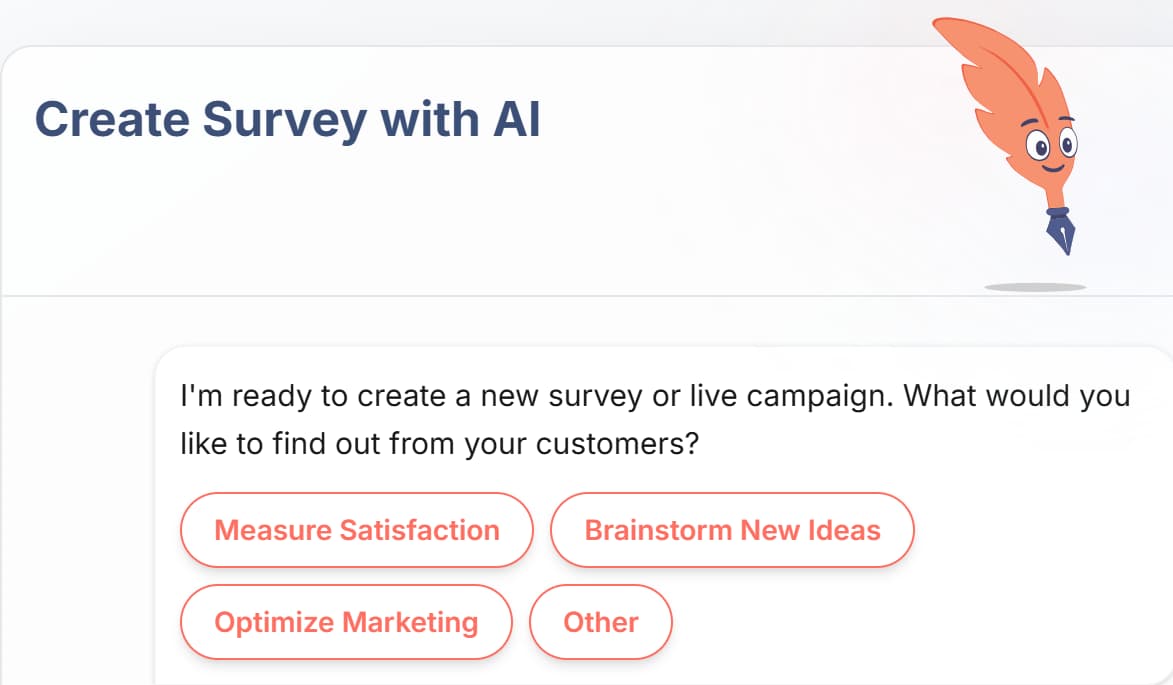
In-depth market research is crucial to a business’s success. But with costs starting out in the thousands, it is simply financially out of reach for most SMBs. Review platforms are free, but often damage a company’s reputation or provide unactionable reviews.
DIY surveys require hours of work and provide few results. According to SurveySparrow, average response rates to customer satisfaction surveys are 33% across all channels. Response rates go down to 29% and 15-20% for web surveys and email surveys respectively.
Rviewo’s system eliminates these three issues. Rviewo’s prices range from free to $129/month maximum, with affordable tiers in between. Rviewo encourages users to post constructive, positive reviews to review platforms. Finally, Rviewo uses incentives to encourage participation. 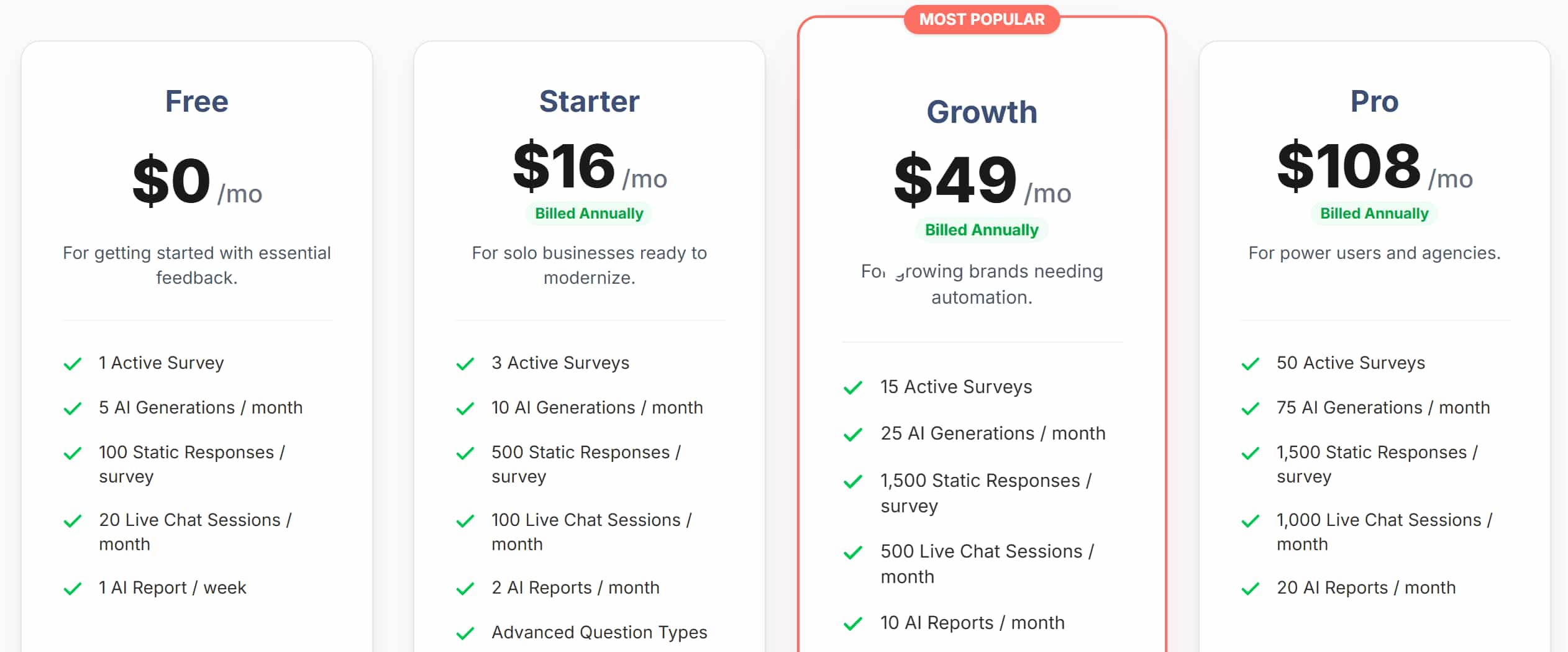
Final Thoughts
Customer churn often happens quietly. Studies have shown the overwhelming majority of customers do not complain before leaving the business for good. Over time, the silent exits take a toll on SMBs’ growth and profits.
As this article has shown, AI agents give SMB owners a practical way to address churn. The agents can improve personalization, responsiveness, and customer experience by using predictive models, unifying customer interactions, and scaling support. AI agents can help businesses keep the customers they have worked hard to acquire.
Whether you are researching AI for the first time or improving your current strategy, investing in AI agents is a practical step toward stronger relationships, lower churn, and more sustainable growth.
References
Faridani, A. (2021, November 4). Council Post: Why Businesses Can’t Afford To Skip Market Research. Forbes. https://www.forbes.com/councils/forbesbusinessdevelopmentcouncil/2021/11/04/why-businesses-cant-afford-to-skip-market-research/
Fiedler, L., Maechler, N., Geis, A., Malfara, D., & Kampa, D. (2025, October 9). Next best experience: How AI can power every customer interaction. McKinsey & Company. https://www.mckinsey.com/capabilities/growth-marketing-and-sales/our-insights/next-best-experience-how-ai-can-power-every-customer-interaction?utm_source=chatgpt.com
O’Brien, K., & Downie, A. (2024, September 9). Customer churn. Ibm.com. https://www.ibm.com/think/topics/customer-churn
Salesforce Staff. (2022). What’s the Difference Between an AI Agent and a Chatbot? Salesforce. https://www.salesforce.com/agentforce/ai-agent-vs-chatbot/
SAP Staff. (2025, November 21). What are AI agents: Benefits and business applications . SAP. https://www.sap.com/resources/what-are-ai-agents
Wagner, M. (2023, August 16). The Math Of A Lost Customer | Client Focus. Client Focus. https://clientfocuscorp.com/the-math-of-a-lost-customer/
Related reading
- Complete Guide to Customer Feedback Management for Local Businesses
- Online Reputation Management Cost: The Complete Budgeting Guide for Local Businesses
- Why Local Businesses Need Employee Review Software to Align Staff Performance with Customer Reviews
- How to Create a High-Converting Customer Feedback Form for Local Businesses
- How to Edit a Google Review: A Step-by-Step Guide for Consumers and Businesses
Try It Now
See Your Reputation Score
Search any business for an instant AI-powered reputation analysis, free.
For Business Owners
Know what customers really think.
Collect real feedback, manage your Google reputation, and grow with Rviewo's AI platform.
Get Started Free →For Consumers
Find great businesses.
Get rewarded for your feedback.
Discover top-rated local businesses and earn real rewards every time you share your honest experience with them.
Join Free & Earn Rewards →

